Overview
Protein is essential — it builds, repairs, and maintains nearly every structure in your body.
Your muscles, hormones, enzymes, immune cells, and even parts of your DNA require amino acids, the building blocks of protein.
But here’s the truth most people never learn:
👉 Protein is necessary for life — but too much can accelerate aging and increase disease risk.
Longevity comes from balance, not extremes.
Why Protein Is Important
When you eat protein, your body breaks it into amino acids that are used to:
1. Rebuild and Repair Tissues
– Exercise breaks muscle fibers; protein repairs them stronger.
– Injury, illness, and stress increase your need for healing amino acids.
2. Produce Enzymes & Hormones
– Hormones like insulin, growth hormone, and thyroid hormones rely on amino acids.
– Enzymes that digest food, detoxify the body, and regulate metabolism are all protein-based.
3. Strengthen the Immune System
– Antibodies that fight viruses and bacteria are proteins.
– Without adequate protein, immunity weakens greatly.
4. Build Glutathione — Your Master Antioxidant
Certain amino acids (cysteine, glycine, glutamate) form glutathione, your body’s #1 defender against oxidative stress and aging.
5. Support Longevity Through Muscle Preservation
Muscle mass decreases naturally with age.
Protein slows this decline, helping prevent frailty, falls, insulin resistance, and metabolic slowdowns.
Protein is vital — but like all things in God’s design, too much becomes harmful.
🚨 The Hidden Harm of Too Much Protein
Modern society glorifies high-protein diets because they build quick muscle and promote leanness.
But long-term, chronically high protein intake can undermine longevity.
Here’s why:
1. Excess Protein Raises IGF-1 (Insulin-Like Growth Factor 1)
IGF-1 is a growth hormone that helps the body repair and build — great in moderation.
But chronically high IGF-1:
❌ Accelerates aging
❌ Increases cancer risk (especially breast, prostate, colon)
❌ Promotes excessive cell growth instead of renewal
❌ Suppresses autophagy (the body’s cellular “clean-up” process)
High-protein diets = high IGF-1 = faster aging.
2. Kidney Strain
Your kidneys must filter nitrogen waste from protein breakdown.
When protein intake is too high for too long:
❌ Kidney load increases
❌ Blood pressure rises
❌ Hydration decreases
❌ Risk of kidney stones increases
Healthy kidneys can handle protein — but they were not designed for constant overload.
3. Gut & Inflammation Issues
Excess animal protein feeds inflammatory gut bacteria and reduces fiber intake.
This leads to:
❌ Inflammation
❌ Poor digestion
❌ Suppressed immune function
❌ Increased oxidative stress
4. Crowds Out Longevity Foods
High-protein diets often leave less room for:
– Greens
– Cruciferous vegetables
– Beans
– Whole grains
– Berries
– Healthy fats
These plant foods activate longevity pathways (AMPK, Nrf2) that animal protein does not.
Too much protein = less space for God’s healing foods.
⚖️ So What’s the Right Amount?
Moderation is key.
General guidelines for healthy adults:
👉 0.6–0.8 grams per pound of goal body weight for active individuals
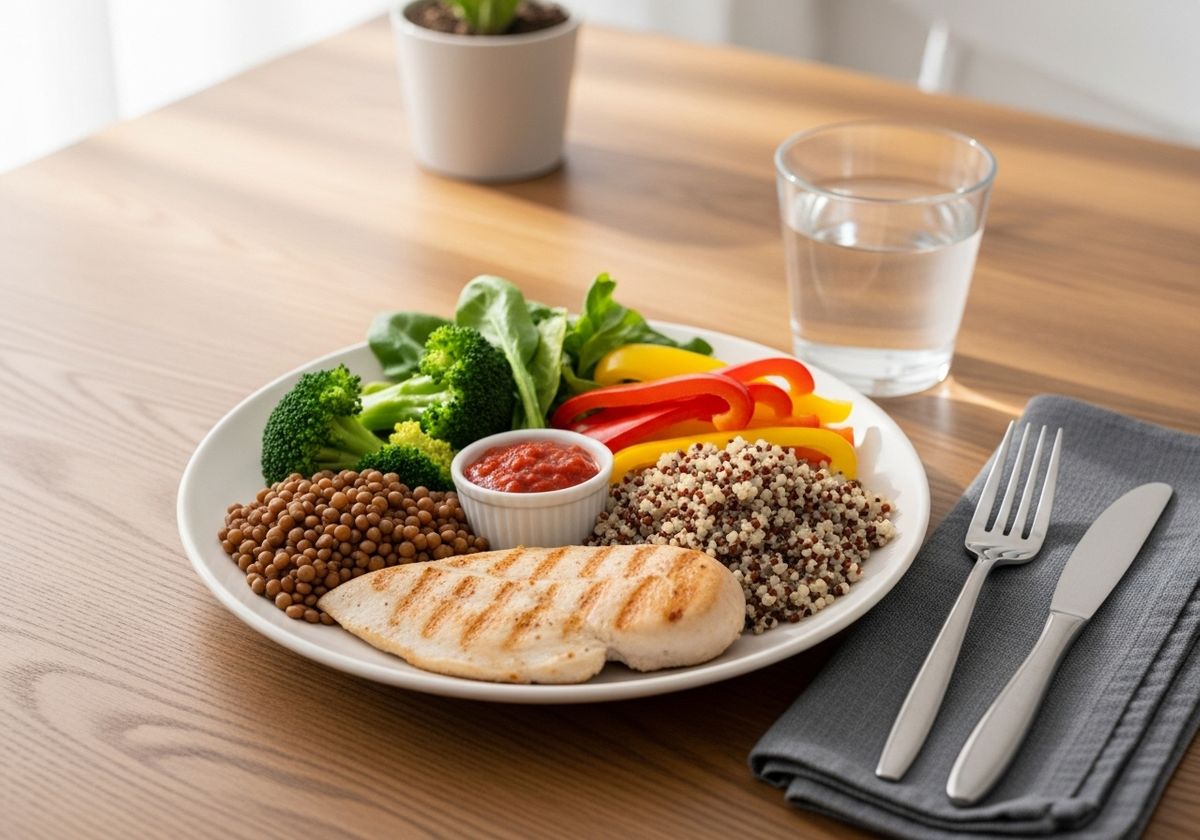
But include plant-based proteins often:
– Beans
– Lentils
– Flax
– Seeds
– Nuts
– Whole grains
These support longevity without overstimulating IGF-1.
Protein should strengthen — not stress — your system.
✝️ Faith Connection
God created your body with intentional balance.
Too little protein weakens His temple…
Too much overwhelms it.
“A false balance is an abomination to the Lord, but a just weight is His delight.”
— Proverbs 11:1
Your body is a sacred creation, not a machine to be pushed to extremes.
Protein is one of God’s tools for repair — but it must be used with wisdom, stewardship, and discernment.
✔️ Takeaway Truth
Protein is essential, powerful, and God-designed… but not meant to be consumed without balance.
Enough protein builds strength.
Too much protein accelerates aging.
Wisdom is found in the middle.
Honor God by nourishing your body the way He intended — with strength, moderation, and purpose.
🧠 Challenge for the Week
1️⃣ Add a quality protein source to each meal.
2️⃣ Swap one animal-protein meal for a plant-protein meal this week.
3️⃣ Ask yourself daily:
“Am I fueling strength or feeding excess?”